
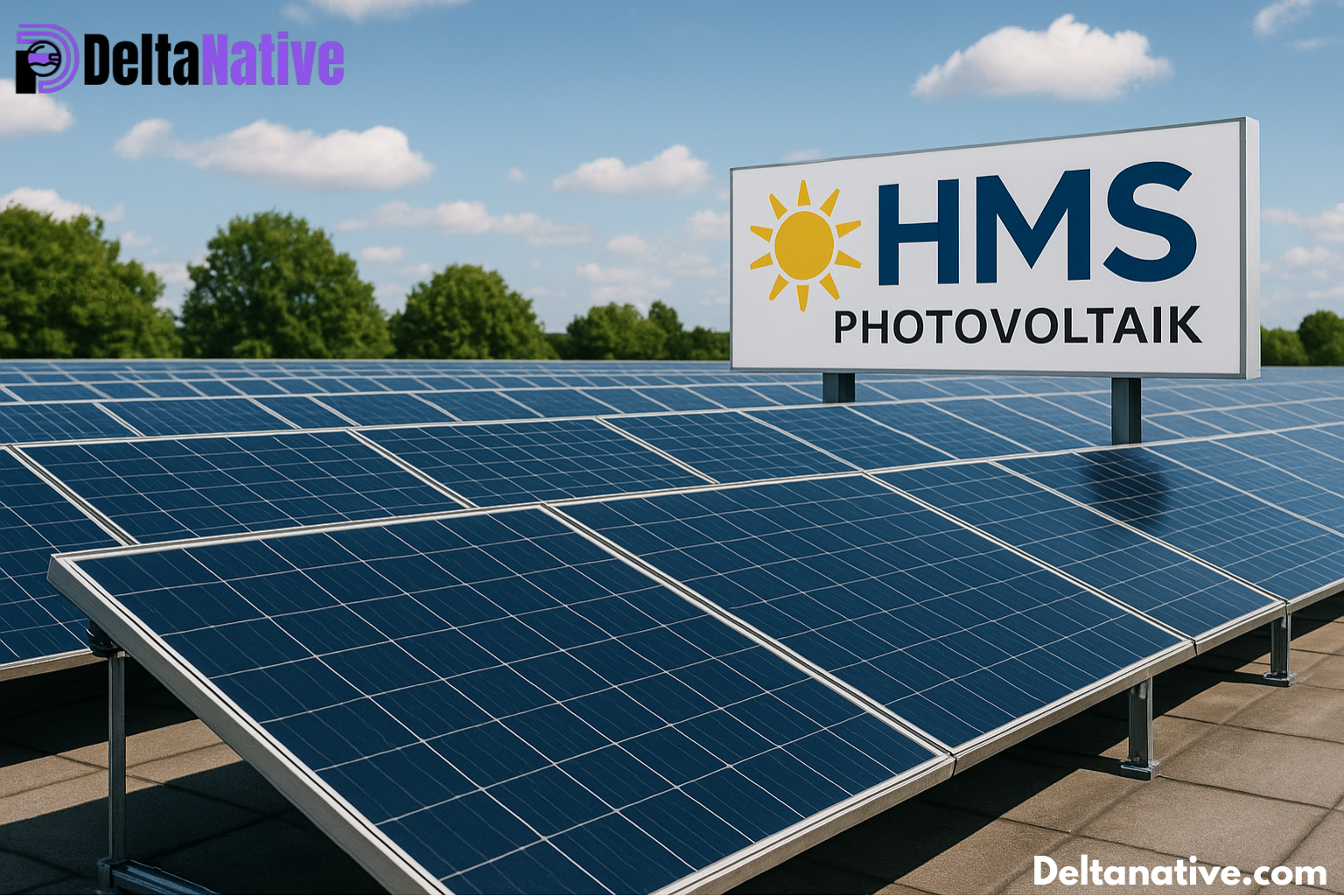
Introduction
As renewable energy continues to grow in importance, photovoltaic (PV) systems have become the cornerstone of clean electricity generation. Within this field, HMS Photovoltaik—short for Hoymiles Microinverter System—represents a modern, highly efficient approach to solar power conversion. Instead of relying on a single central inverter, HMS systems use microinverters at the panel level, offering improved efficiency, reliability, and monitoring capabilities.
In this article, we’ll explore what HMS Photovoltaik is, why it’s relevant in today’s energy landscape, and how it can benefit residential and commercial solar installations.
What Is HMS Photovoltaik?
HMS Photovoltaik refers to Hoymiles’ family of microinverter products designed for photovoltaic panels. A microinverter is a small device installed on each solar panel to convert direct current (DC) into alternating current (AC).
Unlike traditional string inverters, which connect multiple panels to a single conversion unit, HMS microinverters operate individually. This means:
- Each panel works independently.
- Shading or malfunction in one panel does not affect the performance of the rest.
- Users can monitor energy generation per panel in real time.
This innovation makes HMS Photovoltaik especially suitable for complex rooftops, shaded areas, and modular solar installations.
Also Read: Newtopy: The Next Evolution of Online Communities
Key Benefits of HMS Photovoltaik
Higher Efficiency
Because each panel has its own inverter, energy loss is minimized. Even if one panel underperforms, others continue to work at full capacity.
Panel-Level Monitoring
The system provides detailed performance tracking, allowing homeowners and businesses to quickly identify issues and optimize energy usage.
Flexibility in Design
HMS microinverters can be used on rooftops with different angles, orientations, or partial shading—where traditional systems may struggle.
Safety Advantage
By converting electricity at the panel level, HMS reduces the need for high-voltage DC cabling, lowering the risk of electrical hazards.
Easy Scalability
Adding new panels to an HMS setup is simple—just connect another microinverter without replacing the entire inverter system.
Applications of HMS Photovoltaik
- Residential Homes: Perfect for rooftops with varying slopes, shading from trees, or phased solar installation.
- Commercial Buildings: Provides reliable monitoring and scalability for offices, schools, and businesses.
- Balcony and Small Systems: Ideal for smaller solar projects where ease of installation and expansion are priorities.
With governments pushing for green energy adoption, HMS Photovoltaik is an excellent choice for both new installations and system upgrades.
Step-by-Step Guide: Installing an HMS Photovoltaik System
Step 1: Assess Your Energy Needs
Determine how much electricity you consume and how many panels you need.
Step 2: Choose the Right Microinverter Model
Hoymiles offers models like HMS-1600-4T or HMS-2000-4T, each designed for different panel capacities.
Step 3: Plan the Layout
Place panels to maximize sun exposure. HMS allows for different orientations, so east-west or split setups are possible.
Step 4: Install the Microinverters
Each inverter is mounted behind its corresponding solar panel.
Step 5: Connect to the Grid
Wire the AC output into your household grid and configure monitoring software.
Step 6: Monitor and Maintain
Use the Hoymiles monitoring platform to track performance and detect faults in real time.
Tip: Always hire a certified solar installer to ensure compliance with local electrical codes and optimal performance.
Challenges and Considerations
While HMS Photovoltaik offers numerous advantages, some factors should be considered:
- Higher Initial Cost: Microinverters are more expensive upfront than string inverters.
- Panel Matching: Ensure panels are compatible with the chosen microinverter.
- Professional Setup Required: Proper installation is essential for safety and efficiency.
However, these challenges are offset by long-term energy yield, reliability, and safety.
Also Read: TheHRWP: A Complete Guide to the Human Resources Workplace Platform
Conclusion
HMS Photovoltaik is reshaping how we think about solar power. With its panel-level conversion, scalability, safety, and monitoring features, it provides an advanced solution for both homeowners and businesses. While the initial investment may be higher, the long-term gains in efficiency, durability, and peace of mind make it one of the most promising choices in today’s renewable energy market.
By adopting HMS Photovoltaik, you are not just powering your home—you are contributing to a cleaner, smarter, and more sustainable future.
FAQs About HMS Photovoltaik
1. What does HMS Photovoltaik stand for?
It refers to the Hoymiles Microinverter System, which uses microinverters for solar panels instead of a central inverter.
2. How is HMS different from traditional inverters?
Traditional inverters process electricity from all panels together, while HMS allows each panel to work independently for maximum efficiency.
3. Is HMS Photovoltaik suitable for shaded rooftops?
Yes. Since each panel operates individually, shaded panels do not reduce the output of the entire system.
4. Can I expand my HMS Photovoltaik system later?
Absolutely. You can add more panels and microinverters without needing to replace your existing system.
5. Does HMS Photovoltaik require professional installation?
Yes, it is recommended to hire a certified installer to ensure safety, compliance, and maximum performance.
