
Introduction
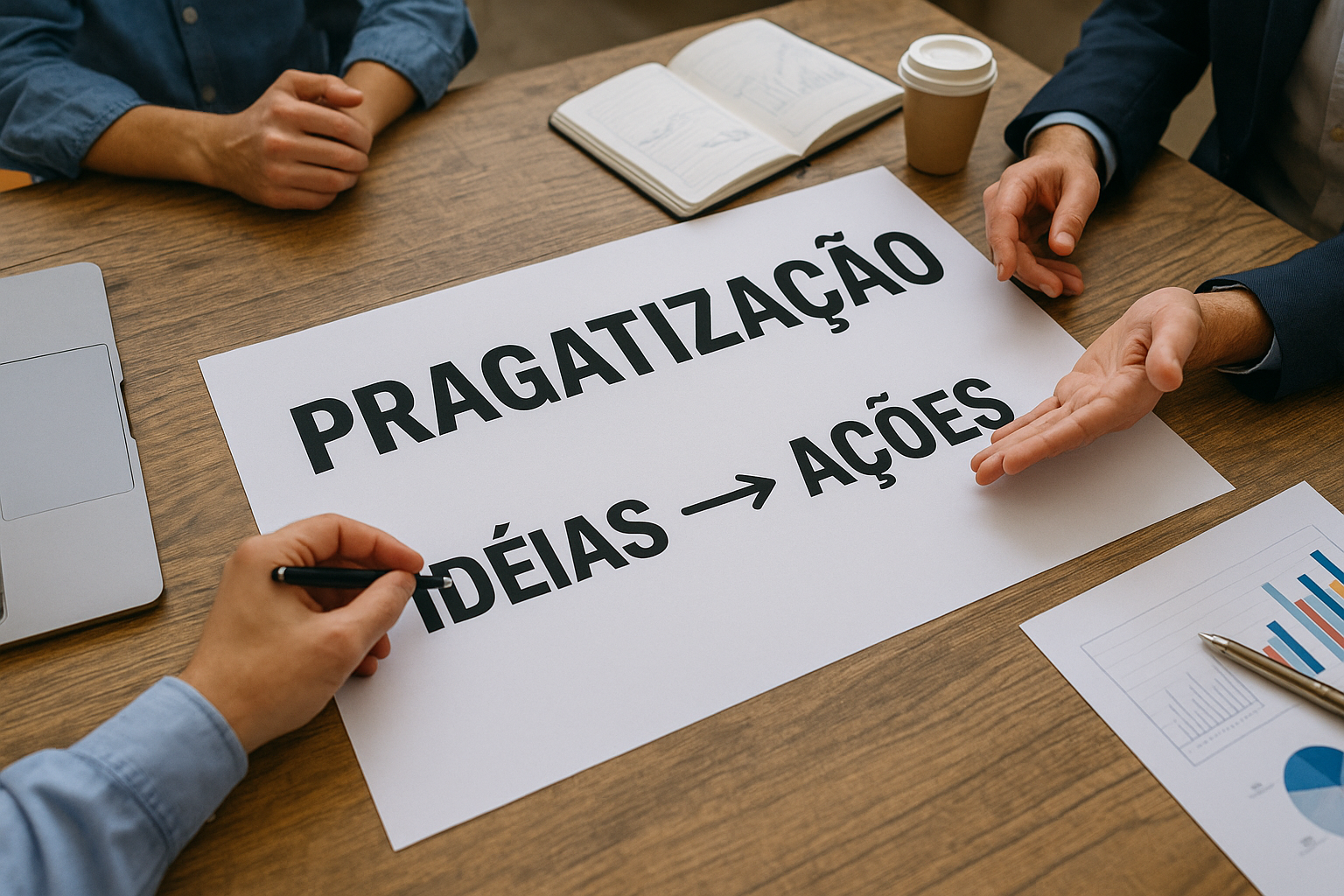
The term Pragatização (also written as pragatizacao) is gaining attention in discussions related to social change, public policy, innovation, and practical transformation. Although not a mainstream dictionary term, it is increasingly used to describe the process of converting ideas, systems, or public resources into practical, real-world applications. In some contexts, it is associated with privatization of public assets, while in others it refers to the practical implementation of theories and concepts to drive meaningful progress. Due to its multi-layered usage, understanding Pragatização is essential for students, policymakers, entrepreneurs, and anyone interested in turning vision into action.
What is Pragatização?
Pragatização can be understood as a process that transforms theoretical ideas or public systems into practical, functioning realities. It is often used in three main contexts:
- Innovation and Implementation: Turning strategies, theories, or models into real-world solutions.
- Public Policy and Economics: Converting public-owned assets or services into private sector control (similar to privatization).
- Social and Cultural Perspective: A critical view describing how systems or people become “commodified” or treated with utilitarian intent.
Because the term is used across different sectors, the meaning may shift depending on the discussion. What remains constant is the element of transition from abstract to practical use.
Pragatização in Innovation and Business
In the modern business world, organizations often struggle to convert strategic plans into effective action. Pragatização plays a key role in bridging the gap between intention and execution.
Why it Matters in Business
- Companies generate ideas, but without implementation, ideas lose value.
- Pragatização ensures that innovation is not limited to PowerPoint slides, but is executed effectively.
- It encourages a culture of testing, refining, and applying practical solutions.
Example
A startup develops a sustainability model to reduce waste. Through Pragatização, the company launches pilot programs, tracks data, and integrates the model into daily operations, making the concept functional rather than theoretical.
Pragatização in Public Policy and Governance
In public administration, the term is sometimes used to describe a shift of government-owned services or assets into private sector management. This perspective links Pragatização to the idea of privatization, where public enterprises are restructured for efficiency, profit, and modernization.
Potential Benefits
- Improved service quality due to competition
- Greater efficiency and reduced bureaucratic delays
- Increased investment and modernization
Common Concerns
- Risk of prioritizing profit over public welfare
- Reduced accessibility for low-income groups
- Loss of state control over essential resources
This duality highlights why the concept is often debated among economists, citizens, and policymakers.
Social and Ethical Dimensions of Pragatização
Beyond business and economics, Pragatização is sometimes used in socio-cultural discussions to express concern about the commodification of people, nature, and social values. In this context, it serves as a critique of systems that treat individuals or the environment primarily as tools for economic growth.
Example in Society
Educational reforms that focus solely on job-market productivity—without nurturing creativity, ethics, or emotional intelligence—may be labeled as Pragatização of education, meaning education becomes a product instead of a human development process.
Step-by-Step Guide: How to Apply Pragatização for Practical Results
This guide is especially useful for entrepreneurs, students, or organizations wanting to turn ideas into reality.
Step 1: Define the Core Idea
Clarify what you want to implement and why.
Be specific about the goal and expected outcome.
Step 2: Break It into Actionable Tasks
Translate your idea into smaller steps.
Identify resources, timeline, and required skills.
Step 3: Test on a Small Scale
Begin with a pilot or trial version.
Gather feedback and track results.
Step 4: Adjust and Improve
Refine the idea based on feedback.
Remove barriers and improve efficiency.
Step 5: Implement Fully
Scale the idea into daily practice or system-wide use.
Monitor performance and maintain consistency.
Helpful Tips
- Focus on practicality, not perfection.
- Start small, learn fast, adapt quickly.
- Document your progress for accountability.
Conclusion
Pragatização is a meaningful concept that highlights the importance of moving from ideas to execution, whether in business, public policy, or social development. While the term may carry different interpretations depending on the context, its core message remains the same: progress happens when thought becomes action. By understanding and applying Pragatização, individuals and organizations can promote innovation, efficiency, and real-world improvement.
To explore further, consider studying case examples of successful implementation models, public-private reforms, and social innovation strategies. The more we understand how ideas become reality, the faster we can contribute to meaningful change.
Frequently Asked Questions (FAQs)
1. Is Pragatização the same as privatization?
Not always. In some contexts, it refers to public-to-private transitions, but it can also mean putting ideas into practice or implementing change.
2. Why is Pragatização important in innovation?
Because it turns concepts into practical solutions, ensuring that creativity and planning lead to real-world results.
3. Can Pragatização be applied in education?
Yes, it can help develop practical learning methods, but it is also criticized when education becomes overly utilitarian or commercially driven.
4. Is Pragatização a formal academic term?
No, it is not widely recognized in formal dictionaries, but it is used in blogs, business discussions, and socio-political commentary.
5. How can an individual use Pragatização in daily life?
By practicing small but consistent actions that transform ideas, goals, or knowledge into daily habits or results.
