
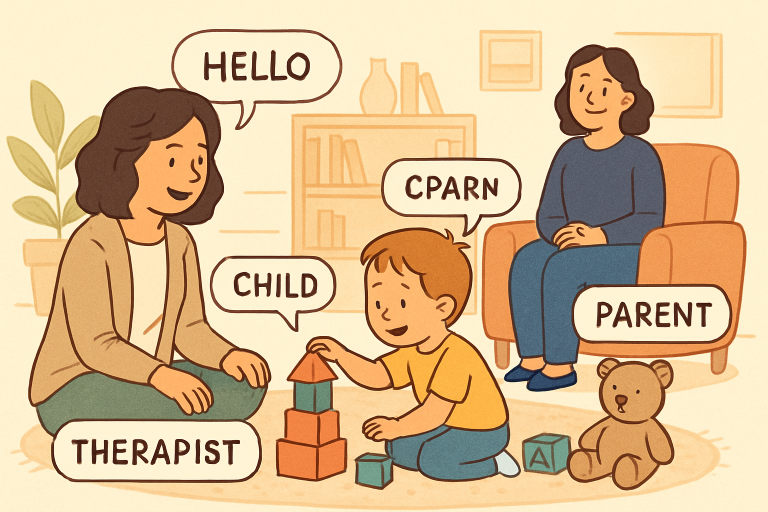
Applied Behavior Analysis (ABA) therapy stands out as one of the most effective approaches for supporting children with Autism Spectrum Disorder (ASD). By bringing therapy directly into the home, in-home ABA therapy delivers unique advantages, fostering both the child’s development and empowering families to play an active role in the process. This natural setting often proves far more conducive to comfort and learning than clinical environments.
In-home ABA is not only about comfort—it’s about developing critical life skills exactly where they matter most, within the routines and relationships that shape daily living. These personalized sessions facilitate the adaptation of lessons for practicality and sustainability, ensuring that positive changes remain a core part of the child’s environment. As families become care partners, they reinforce and accelerate the child’s growth and development.
Moreover, when therapy is delivered at home, disruptions are minimized and routines respected, reducing stress for both children and their caregivers. Parents often find that the logistical and emotional accommodations of in-home therapy make ABA support more accessible, realistic, and practical.
This article delves into the numerous facets of in-home ABA therapy, illustrating why so many families and professionals consider it an optimal model of care for children on the autism spectrum.
Familiar Environment Enhances Comfort
Children with autism are often sensitive to changes and new surroundings. Conducting ABA sessions at home shields children from many of the sensory triggers that can arise in unfamiliar places. This sense of security allows therapy to focus immediately on meaningful skill building rather than on managing a child’s anxiety or acclimation to a clinical space. Research shows that a familiar environment typically yields higher levels of engagement, rapport, and motivation for children participating in behavioral therapies.
Increased Family Involvement
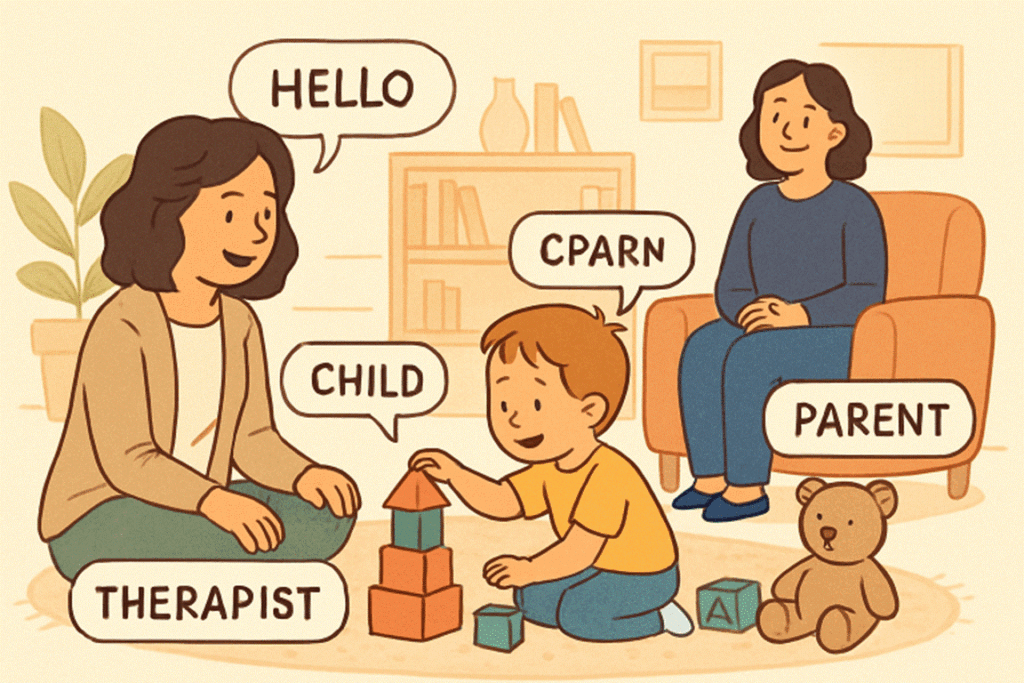
One of the greatest strengths of in-home ABA therapy is its ability to involve family members actively in the child’s progress. Parents and siblings are encouraged to observe, participate, and practice intervention strategies under the guidance of a trained therapist. This real-time involvement equips families with the skills and confidence to model, prompt, and reinforce adaptive behaviors throughout daily routines, leading to more sustainable change.
Practical Skill Application
In-home ABA therapy bridges the gap between learning and living. Skills are taught and practiced where they are needed most, such as during meals, bath time, transitions, and play. By embedding therapy goals in these natural settings, children learn to generalize new abilities and respond appropriately in real-world scenarios—a critical challenge for those with autism. This hands-on approach not only builds independence but also prepares children for success beyond the therapy session.
Flexible Scheduling
Many families struggle with the logistics of commuting to therapy centers or scheduling appointments during busy hours. In-home ABA removes these barriers by allowing therapists to work around the family’s routine. Sessions can be scheduled at the times that work best for the child’s energy and attention span, reducing stress and improving consistency of attendance. This increased accessibility is especially beneficial for families in rural areas or those with limited transportation options.
Real-Time Feedback and Adjustments
In-home sessions allow for immediate, direct observation of the child’s behavior within their daily context. This enables therapists to provide instant feedback and make timely adjustments to intervention strategies based on what is or isn’t working. Such responsiveness helps maximize every therapy session and ensures that interventions remain person-centered and relevant to the child’s evolving needs.
Cost-Effectiveness and Convenience
Eliminating the need for travel not only saves time but also reduces expenses associated with transportation and time away from other responsibilities. For many families, in-home ABA therapy proves to be a more cost-effective and sustainable solution, particularly when ongoing, intensive intervention is required. The streamlined approach of home-based care also means more time is invested directly in therapy, rather than in the logistics that often interrupt care in other settings.
Holistic Approach to Development
Addressing behavioral, social, and communication challenges within the context of everyday life supports a holistic approach to child development. In-home ABA therapy is uniquely positioned to foster skills that blend seamlessly into a child’s regular activities, promoting long-term growth in adaptive skills, self-care, play, social interactions, and communication. This real-world practice helps prepare children for greater autonomy and community participation.
Building Natural Supports
Over time, consistent in-home ABA support helps build a network of natural supports among family and household members. These supports—rooted in understanding and collaboration—continue to reinforce the child’s progress even outside of scheduled sessions. By cultivating these relationships, families can sustain the benefits of therapy and foster resilience, confidence, and teamwork —key factors in achieving long-term outcomes.
Embracing in-home ABA therapy allows children with autism to learn and thrive in the settings where they feel safest and most supported. As families become integral partners, children gain from empowered, consistent guidance that extends beyond therapy into every aspect of their lives. The effectiveness, accessibility, and sustaining power of this model make it an invaluable option for families seeking meaningful developmental progress for their children with autism.
