
Renting a synthetic ice rink is an increasingly popular choice for event organizers seeking to provide a dynamic and memorable experience. These rinks bring the thrill of ice skating to a wide array of settings, from festivals to private celebrations, without requiring freezing weather conditions. One of the major advantages of a rent to own synthetic ice rink is its convenience and flexibility, which allow it to suit various events throughout the year, regardless of temperature or climate. However, to ensure participants experience both fun and safety to the fullest, several important considerations must always be kept in mind, from preparation through to post-event cleanup.
Maximizing enjoyment and minimizing risks is all about careful planning and consideration. From maintaining equipment to setting responsible behavior guidelines and carefully orchestrating rink activities, every step taken before and during the event will significantly enhance the overall experience. By promoting inclusivity, accessibility, and emergency readiness, synthetic rink events can easily become a rewarding highlight for the entire community, increasing participation and goodwill. This preparation isn’t just for show; it can play a pivotal role in making sure everyone feels comfortable joining in, regardless of age or background.
It’s also crucial to monitor the flow of skaters and provide opportunities for everyone, regardless of skill or ability level, to join in safely. As new skaters often require additional guidance, having protocols for skill-level grouping and scheduled sessions can help maintain order and safety. By prioritizing thoughtful rules, skilled supervision, and proper equipment, the atmosphere remains positive and stress-free for both beginners and seasoned skaters, allowing everyone to build confidence and have fun at their own pace.
Proper Skate Maintenance
The core of an excellent skating experience lies in the condition of the equipment. Because synthetic rink panels offer a different glide than natural ice, skating on synthetic surfaces can cause blade dulling to occur more quickly than on natural ice. That’s why it’s vital always to sharpen skates before your event and assess the blade condition regularly throughout the day—especially between busy sessions, when increased friction can wear edges even faster. Sharp blades enable smoother movements, improve control, and mitigate the risk of accidental slips, which is especially important when accommodating a mix of skill levels, from young children to more advanced skaters.
Offering a sharpening station on-site or partnering with a local skate shop for mobile services can be incredibly valuable. Not only does this help maintain optimal skate condition for all guests, but it also extends the lifespan of rental skates and can enhance the overall safety of your event. If renting skates from a third-party provider, request a recent maintenance record to help guarantee the quality of your equipment. Maintaining a log of when skates are inspected and serviced ensures that all equipment remains in top shape.
Establishing Clear Skating Rules
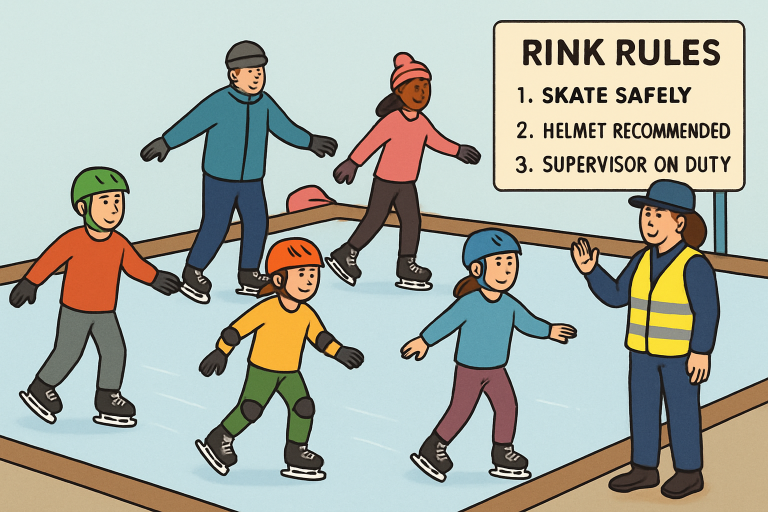
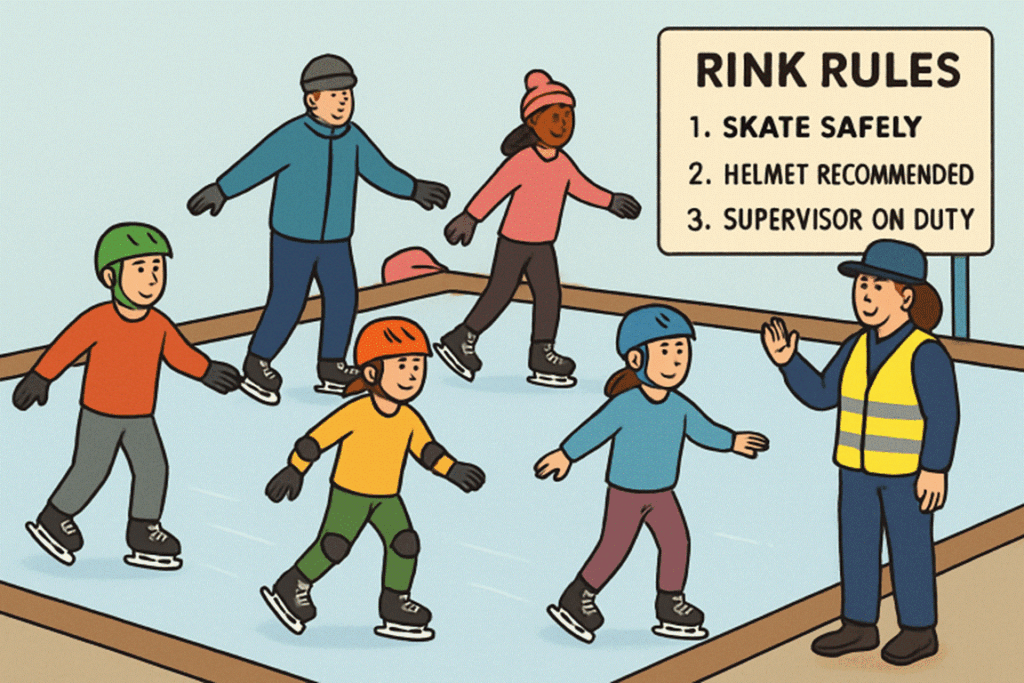
Organizing any large group activity requires structure to ensure safety, and on a synthetic rink, clear guidelines should be established from the outset. Prohibit street shoes on the ice, and ensure skates are the only permitted footwear to maintain the integrity of the surface and minimize the risk of slips or falls. Define different rink times or zones for activities such as leisure skating, hockey, or figure skating to prevent accidents and accommodate various skill levels. Designated beginner and advanced sessions can help prevent collisions and give novices a chance to skate at their own pace, building confidence in a supportive setting.
Posting signage or announcing rules at the start of each session clarifies expectations and prevents misunderstandings. Clear printed rules in multiple languages and visual icons can make guidelines accessible to all. Dedicated monitors or supervisors should be clearly identifiable—such as wearing vests or badges—to both enforce rules, offer skating advice, and quickly address participant questions should any confusion arise. Encourage a culture of respect and sportsmanship between skaters, emphasizing the importance of yielding the right of way and observing rink etiquette.
Regular Surface Maintenance
Just as with traditional ice, a clean and well-maintained rink surface is vital for safe skating. Any debris, snow shavings, or accumulated dirt can impact glide quality and create hazardous tripping conditions. Schedule regular sweeping and wet cleaning sessions throughout your event—using only recommended cleaning agents to avoid surface damage. Ensuring the synthetic panels remain smooth and free from foreign objects ensures the best skating experience and protects everyone on the rink.
Encourage skaters to alert staff if they notice areas becoming excessively slippery or if debris accumulates between scheduled cleaning sessions. Prompt response to maintenance issues can prevent small hazards from turning into potential injuries. Regular upkeep also ensures safer conditions, reduces the likelihood of falls, and preserves the longevity of the synthetic rink panels, helping you get more value from your investment over time.
Ensuring Accessibility and Inclusivity
Community events shine brightest when everyone is invited to participate. Always design rink access to accommodate wheelchair users and those with limited mobility by providing ramps, wide entryways, and clear, accessible signage. Remove obstacles such as barriers, steps, or uneven flooring around access points. For children or adults who require additional support, consider making dedicated assistive devices, such as skateboards or sleds, readily available and easily accessible.
Proactively communicating about available adaptive equipment or accessible paths increases community participation and sets a welcoming tone for the whole event. Making space for special time slots designed for adaptive skating or providing trained volunteers to assist those with disabilities can help everyone feel welcome and supported.
Providing Adequate Supervision
Safety is amplified by the presence of trained supervisors or volunteers who are equipped to handle both daily management and unexpected incidents. These monitors, ideally with backgrounds in skating and basic first aid, should be responsible for overseeing the rink area, assisting new skaters, and ensuring everyone adheres to the rules. Not only are they essential in enforcing safety, but their presence also makes it easy for parents and guardians to relax, knowing someone is looking out for all participants.
Supervisors can rotate through scheduled sessions, providing extra attention during busier times or during dedicated children’s skating periods. Clear training on emergency protocols, along with guidance on de-escalating potential conflicts between skaters, makes supervision highly effective. By setting a positive tone from the start, supervisors encourage an environment where everyone feels comfortable asking for help and trying new skills.
Offering Safety Gear
To further protect skaters—particularly children and novices—make helmets and padding (such as knee and elbow pads) available at the entrance to the rink. While older teens, adults, or seasoned skaters may choose not to wear protective gear, having it on hand demonstrates a proactive commitment to safety and injury prevention, reassuring families and event organizers alike.
Safety gear can be provided for a small rental fee, included as part of the ticket admission, or offered free of charge during specific high-traffic or child-focused sessions. Encouraging its use can make a measurable difference in accident rates and help younger or less experienced participants feel secure as they try skating for the first time.
Planning for Emergencies
Effective emergency preparedness is crucial for any public event. Before your rental rink opens, ensure that a clearly visible and well-stocked first-aid kit is accessible to supervisors, and that all staff are familiar with the emergency exit locations and basic medical response procedures. Establishing a reliable system for quickly contacting emergency services—such as a designated staff phone or nearby landline—enhances readiness for any scenario that may arise.
Regular safety briefings or emergency drills with your event team will solidify these plans, ensuring everyone is prepared to respond quickly and effectively in the event of an issue. An immediate and confident response to accidents can mitigate the severity of injuries and give attendees the confidence that their safety is a top priority.
Engaging the Community
To maximize the value of your synthetic rink rental, tie it into broader community events, fundraisers, or youth sports programs. For example, NHL teams like the Washington Capitals have successfully utilized synthetic rinks to introduce children to hockey and inspire a new generation of skaters, thereby helping to grow local enthusiasm for ice sports. Consider working with local schools, nonprofit organizations, or recreational clubs to offer special workshops, open skating times, or team-building activities.
Promoting these special sessions can generate excitement and provide a fun, healthy outlet while nurturing a sense of togetherness and shared experience. Thoughtful partnerships can also increase attendance and enhance your event’s visibility both online and throughout your community.
Final Thoughts
Renting a synthetic ice rink creates a lively centerpiece that brings people together in a unique and accessible way. With careful planning focused on skate and rink maintenance, clear rules, accessibility, supervision, and inclusive practices, your event can be a memorable and safe success for all attendees. The effort invested in these areas pays off not only in smiles and laughter but in building a positive reputation for your events and activities—ensuring each skating event is both welcoming and safe for everyone involved.
